
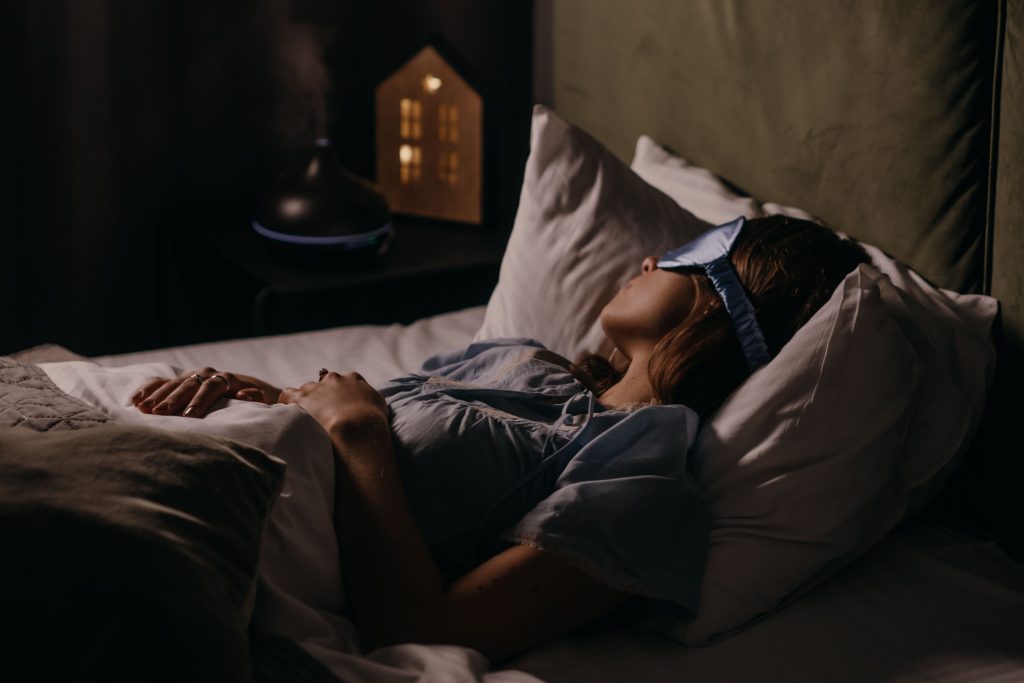
You sleep for seven or eight hours, but still wake up tired.
You fall asleep easily, yet wake repeatedly during the night.
Or perhaps you wake at 2–4 AM and struggle to fall asleep again.
Most people immediately blame stress, age, hormones or lack of sleep. These can certainly contribute. But another factor is increasingly being studied: chronic low-grade inflammation.
Sleep and inflammation are closely connected. When one becomes disrupted, it can make the other worse.
What Does Inflammation Have to Do With Sleep?
Inflammation is not always harmful.
When you have an infection or injury, your immune system releases inflammatory signalling molecules to protect the body and coordinate healing.
The problem begins when this inflammatory activity remains elevated for a prolonged period.
Researchers have found that sleep and the immune system communicate with each other through inflammatory signalling molecules called cytokines, including IL-6, TNF and IL-1. These molecules are involved in the normal regulation of sleep, but abnormalities in inflammatory activity are also associated with sleep disorders and disrupted sleep patterns.
In simple terms:
When the body is constantly dealing with inflammation, it may become harder for the nervous and immune systems to maintain healthy, restorative sleep.
The Sleep–Inflammation Cycle
There is another important problem.
The relationship goes in both directions.
Inflammation may interfere with healthy sleep, while insufficient or disturbed sleep can increase inflammatory activity.
Research has linked sleep disturbance and short sleep duration with changes in inflammatory pathways and increased inflammatory markers.
This can create a cycle:
Inflammation → poorer sleep → more inflammatory stress → poorer recovery → poorer sleep
This helps explain why simply trying to “knock yourself out” at night does not necessarily address every cause of poor sleep.
Sleep is not just about becoming unconscious.
Good sleep requires the body to enter a physiological state where the brain, nervous system, immune system and metabolic systems can properly recover.
Where Does Oxidative Stress Fit In?
Chronic inflammation and oxidative stress frequently occur together.
Oxidative stress happens when the production of reactive molecules such as free radicals exceeds the body’s antioxidant defence capacity.
Think of it as biological “wear and tear.”
Normal metabolism produces free radicals every day. However, factors such as ageing, smoking, metabolic problems, poor diet, excessive stress, environmental exposure and inadequate sleep can increase oxidative burden.
Research on Bio-Normalizer and other fermented papaya preparations has therefore focused heavily on their antioxidant and redox-modulating properties.
An early laboratory study specifically investigating Bio-Normalizer, a fermented Carica papaya preparation, found effects on free-radical production and oxidative processes.
Clinical research on fermented papaya preparations has also investigated changes in oxidative stress. A randomized placebo-controlled crossover study in older adults examined fermented papaya supplementation and markers of redox status and oxidative DNA damage.
This is important because rather than thinking:
“What supplement makes me sleepy?”
a better question may sometimes be:
“What is preventing my body from recovering properly at night?”
How May Bio-Normalizer Support Better Sleep?
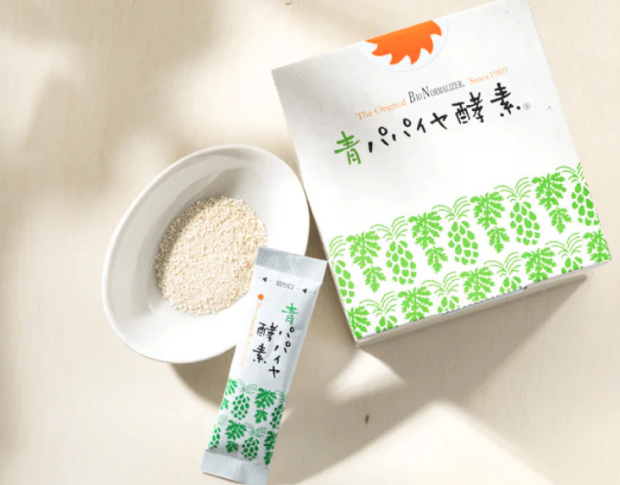
Bio-Normalizer is a fermented green papaya food supplement produced from Carica papaya using fermentation technology. The manufacturer describes it as a fermented green papaya preparation and recommends it as part of a daily health routine.
Its potential relevance to sleep is mainly based on three areas.
First is antioxidant support. Research involving Bio-Normalizer and fermented papaya preparations has reported effects on oxidative stress and antioxidant-related biological processes.
Second is immune and inflammatory regulation. Fermented papaya research has investigated its interaction with immune signalling and inflammatory pathways. However, this should be understood as biological support rather than treating inflammatory diseases.
Third, emerging research has started examining sleep itself.
A 2026 pilot intervention involving professional drivers reported that one month of fermented papaya preparation intake was associated with improvements in subjective measures including sleep quality, sleepiness, fatigue and feeling refreshed after waking. Researchers also observed reductions in urinary 8-OHdG, a marker associated with oxidative stress.
These findings are promising, but they are still preliminary. Larger randomized controlled trials specifically studying insomnia and Bio-Normalizer are needed before concluding that fermented papaya directly treats sleep disorders.
Therefore, the scientifically responsible way to describe Bio-Normalizer is:
It may support better recovery and sleep quality by helping the body’s antioxidant and physiological defence systems—not by acting like a sleeping pill.
Bio-Normalizer Is Not a Sleeping Pill
This distinction matters.
A sleeping medication may directly influence the nervous system to promote sedation.
Bio-Normalizer works very differently.
It should not be viewed as something designed to “force” the brain to sleep. Instead, its research is primarily centred around oxidative stress, antioxidant defence, immune regulation and recovery.
That makes it more relevant to people looking at sleep from a wider health perspective.
However, persistent insomnia can have many causes, including sleep apnoea, menopause, anxiety, depression, medications, thyroid disorders, restless legs syndrome, chronic pain, caffeine, alcohol and other medical conditions.
A supplement should therefore never replace proper investigation of persistent sleep problems.
The Bottom Line
If you are sleeping enough hours but still waking tired, waking frequently during the night or feeling that your sleep is becoming lighter with age, the problem may involve more than simply “not sleeping enough.”
Sleep quality reflects what is happening throughout the body.
Inflammatory signalling, oxidative stress, metabolic health, hormonal changes, psychological stress and lifestyle habits can all influence your ability to obtain restorative sleep.
Bio-Normalizer Fermented Green Papaya is being studied for its antioxidant and physiological-support properties, and emerging fermented-papaya research suggests there may also be benefits for subjective sleep quality and recovery.
Rather than asking only:
“How can I make myself fall asleep?”
consider asking:
“What is preventing my body from recovering properly while I sleep?”
That may be the more important question.
Discover Bio-Normalizer in Malaysia
Bio-Normalizer is available through ALICOR Malaysia. Learn more about Bio-Normalizer Fermented Green Papaya, its ingredients, research and suggested use through ALICOR.
Medical disclaimer: Bio-Normalizer is a health supplement and is not intended to diagnose, treat, cure or prevent any disease. Individuals with persistent sleep problems, medical conditions, pregnancy or breastfeeding, or those taking medications should consult an appropriate healthcare professional before using dietary supplements.